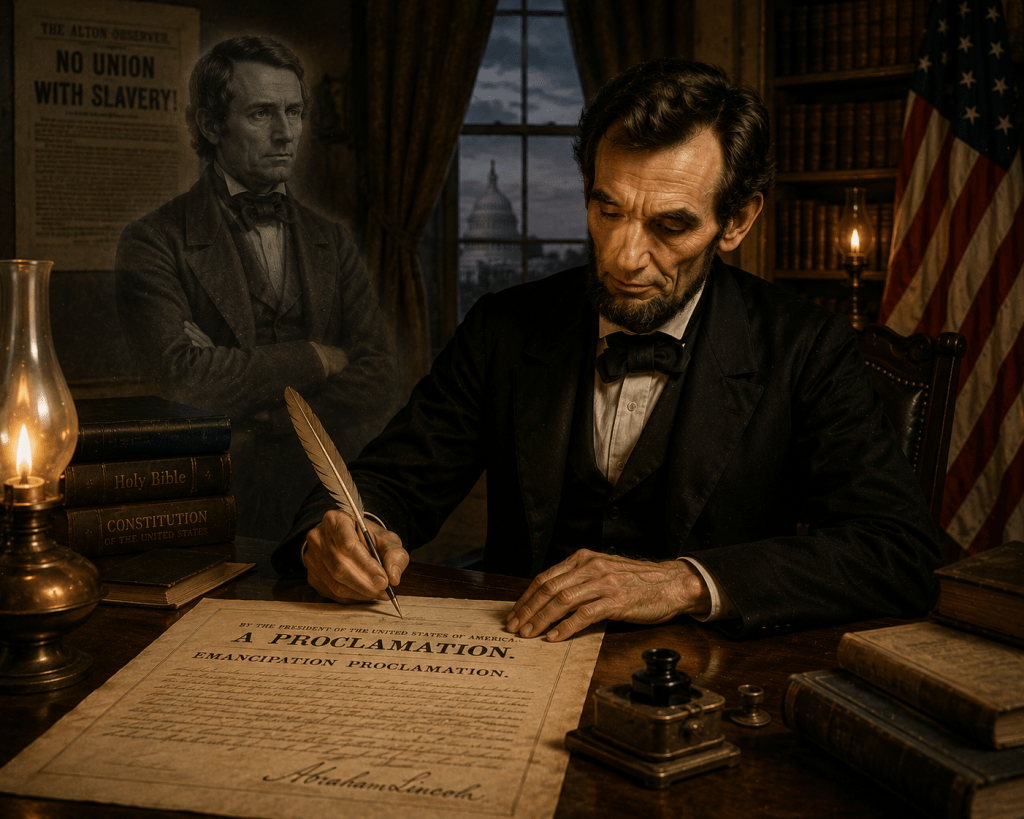
As I finished watching a documentary on Abraham Lincoln and began one on Ulysses S. Grant, I found myself thinking about Lincoln’s judgement and the harsh criticism received in quarters for not replacing Grant. Today, Grant is remembered as one of the Union’s most successful generals. During the war, however, many people wanted him removed.
Critics complained about his drinking. Others focused on the staggering casualties suffered by his armies. Newspapers attacked him. Politicians questioned him. Many believe Lincoln should replace him. Lincoln refused. He was under a great deal of pressure no matter what he did. What Licnoln saw was something that had become increasingly rare among his generals. Grant fought.
Grant accepted setbacks, endured criticism, suffered losses, and kept moving forward. Unconditional surrender Grant. He did what other generals feared to do. After years of frustration with commanders who hesitated or failed to act decisively, Lincoln found someone willing to pursue victory relentlessly. That does not mean Lincoln ignored the terrible human cost of war. The causality lists were heartbreaking. But Lincoln also understood something else. There was no acceptable path that ended with the Union’s defeat. The war had to be won.
Watching the documentary, I was struck by how much this reminded me of the larger story that began long before Grant entered the picture. The central conflict in my novel revolves around Elijah Lovejoy and the growing struggle over slavery and freedom. Lovejoy paid for his beliefs with his life. He refused to abandon his newspaper or stop speaking against slavery even when the danger became obvious.
Lincoln’s path was different, but in some ways the goal became the same. Lovejoy fought for emancipation as an ideal. Lincoln eventually possessed the power to make it national policy. The issues that had divided Alton in 1837 grew into a national crisis and a civil war. Many people called it the first shots of the civil war.
Lovejoy, Lincoln, and Grant were very different men. Yet each understood that some causes demand persistence even when the cost is high and success is uncertain.
Current projects:
- My book: continuing revisions and incorporating feedback from my writers group and peers.
- Edward Bryant: continuing to review stories for future publication.
History often remembers victories. Sometimes it is equally important to remember the determination that made those victories possible.
Thanks for reading and waking alongside me.

