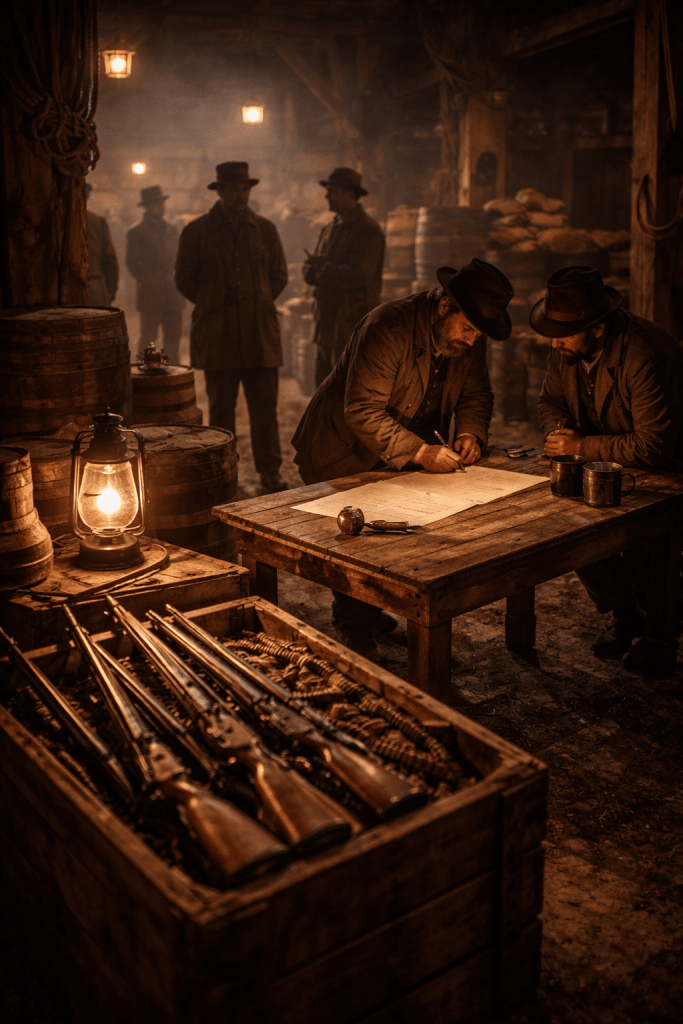
This week I’ve begun revising Chapter 9 of my Lincoln novel, where the tension continues to escalate and the danger surrounding Lovejoy becomes more direct. As the threats gather and those around him begin to organize for defense, I realized that something important was still missing from the chapter. I need to write a scene that does not exist in the historical record–one that shows what the Black community was doing as these events unfolded.
There are no detailed accounts that describe their actions or reactions in that moment. And yet they were there and this fight to end slavery directly involved them. They were part of the same world, facing the same danger, and their presence should not be left out simply because it was not fully recorded.
This creates a different kind of responsibility as a writer. We have to be able to write from male and female prospectives and from the prospectives or different races and cultures. The scene must be imagined, but it cannot be careless. It has to be grounded in what is known, while recognizing eh limits of what can be known.
At the same time, the rest of the chapter continues to move forward. The threats against Lovejoy are becoming more immediate, and those who support him are beginning to organize themselves in response. The task is not only to follow events but to give shape to what history left incomplete and to help the reader to feel what it was like to live in those times and face those decisions.
Meanwhile, outside of writing, the garden is growing again. The weeds are amassing. My days must start to shift toward that work as well.
Current projects:
- My books: revising Chapter 9 and adding a new scene
- Edward Bryant: continuing to review stories for the next publication
Not every part of history was fully recorded, but that does not mean it should be left unseen.
Thanks for reading and walking alongside me.
 The View From The Imaginarium