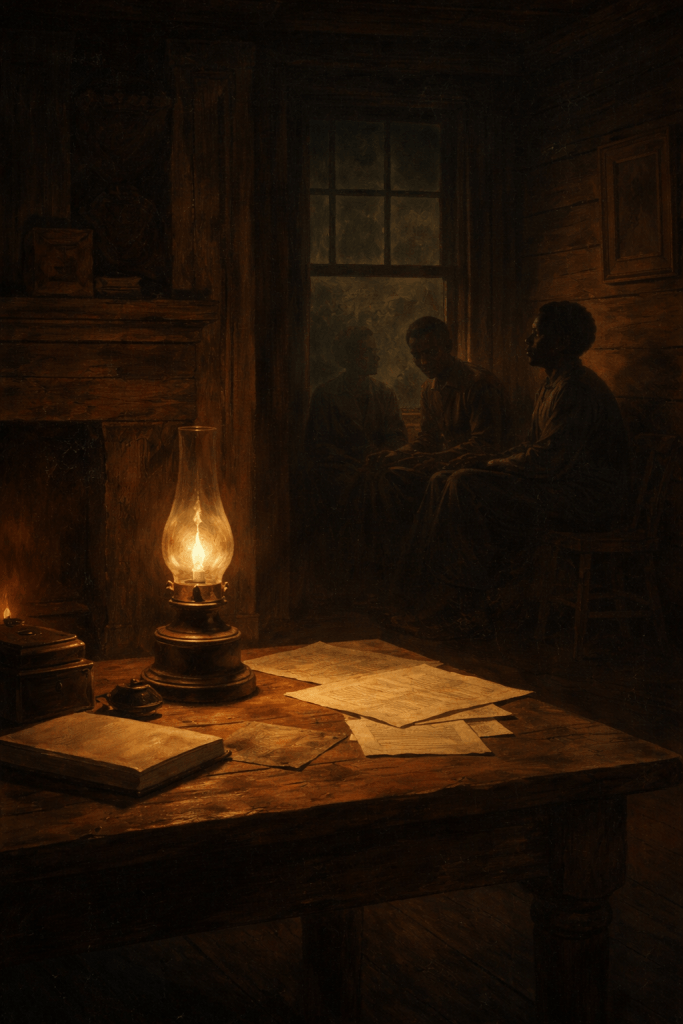
Tonight I was thinking about a different kind of difficulty in historical fiction. As I move toward the revision of Chapter 8 of my Lincoln novel, I need to add a scene that does not exist in the historical record==the reaction of the Black community to the arrival of the press and the growing tensions around it. The press itself has arrived safely, without the violence that was feared, but the larger conflict remains.
There are no direct accounts that tell me exactly what people thought or felt in that moment. That leaves me with a responsibility that feels both necessary and uncertain. Historical fiction depends on fact, but it also depends on imagination. There are moments where the record is silent, and the writer has to decide how to give voice to people who were present but not fully heard in the documents that remain.
That kind of writing requires care. It means grounding the scene in what is known, while recognizing the limits of what can be known. It is a different kind of work than revising a chapter that already exists. It is quieter, and perhaps more demanding.
Current projects:
- My Book: preparing Chapter 8 and developing a new scene.
- Edward Bryant: reviewing several recommended stories for the next publication
Not everything can be found in the record. Some parts of history have to be approached with imagination and respect.
Thanks for reading and waking alongside me.
 The View From The Imaginarium